Your phone splats are now robot training data
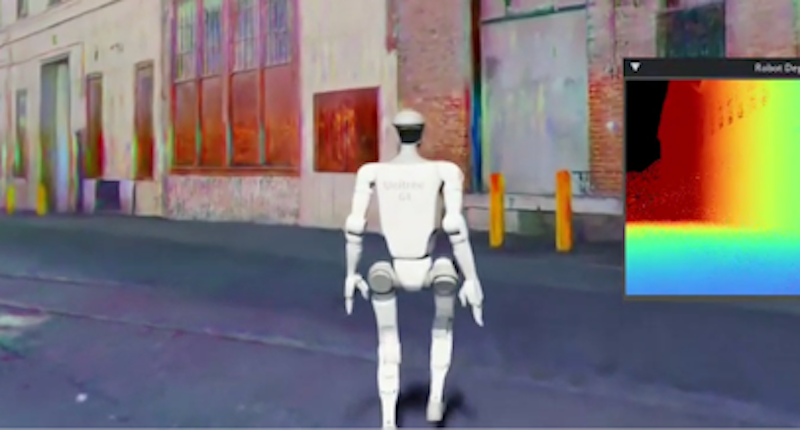
Image: Niantic Spatial · Industry

Jul 7, 2026Industry
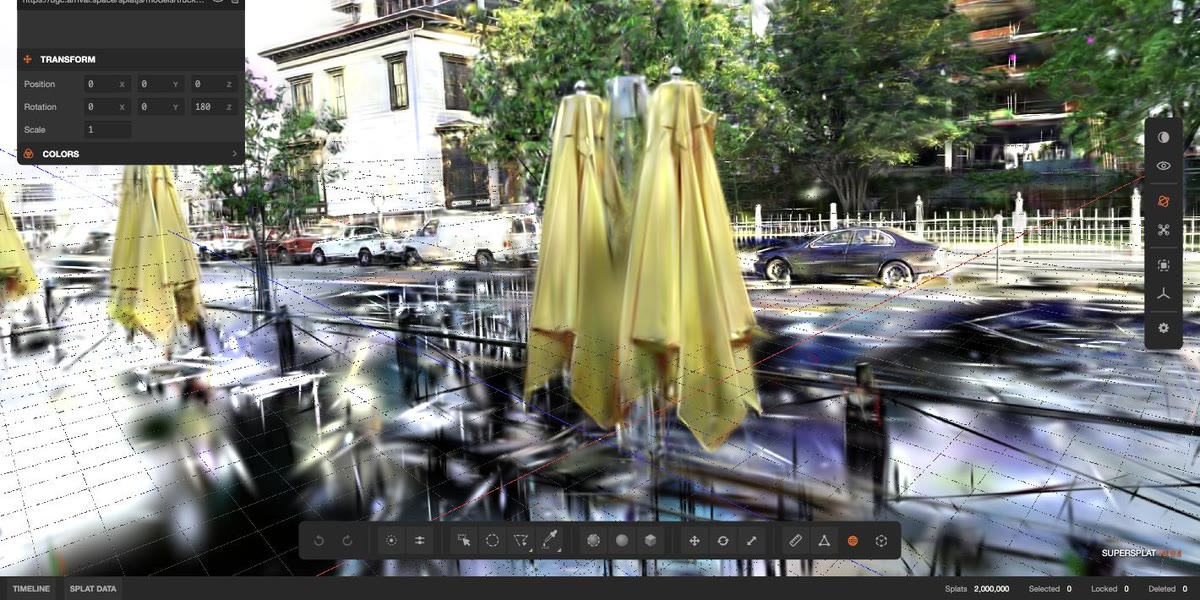
Scaniverse can now export a USDZ file pairing a gaussian splat with an automatically generated, aligned mesh — so a single capture produces both the look and the physics of a place.
Why it matters: This ties consumer-grade splat capture directly into the physical AI and robotics simulation economy — one of the strongest commercial pulls for 3D reconstruction right now. Robotics teams call the problem "sim-to-real": robots trained in simulators that don't match reality fail in the field. Splats of real places narrow that gap.
Zoom in:
- The exported digital twins import into NVIDIA Isaac Sim for robot training and testing.
- The workflow runs on a roughly $500 360° camera — positioned against RGB-LiDAR mapping rigs that can cost tens of thousands of dollars.
- The capability is live in Scaniverse now, building on Niantic Spatial's April launch of the integrated Scaniverse platform and VPS 2.0.