NVIDIA bets the next era of graphics on world models
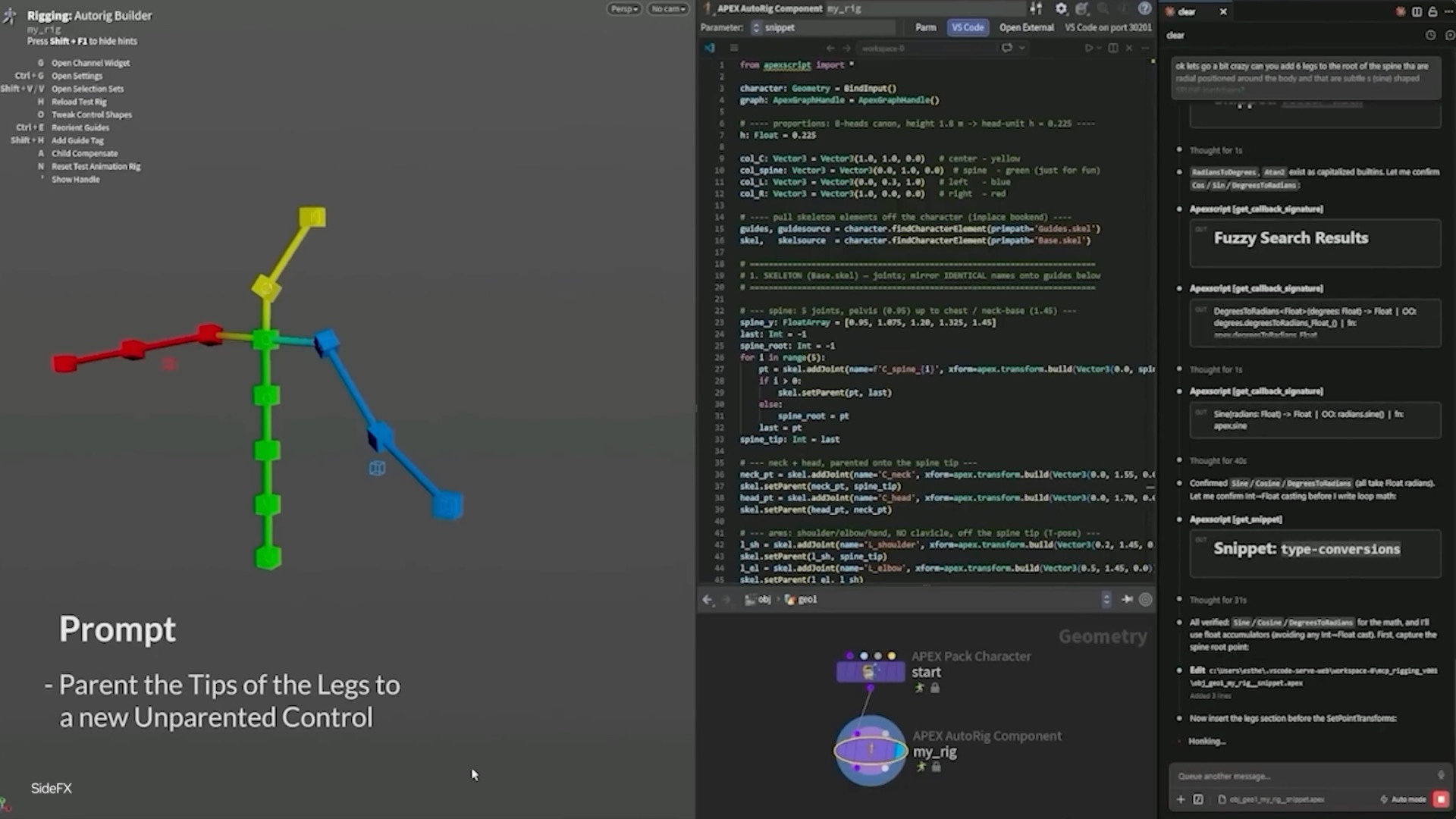
Image: NVIDIA · Industry

Jul 20, 2026Industry
NVIDIA used its SIGGRAPH 2026 keynote — "Next Era of Graphics: Neural Rendering, World Models, and Simulation" — to lay out a roadmap where captured and generated 3D worlds converge.
Zoom in:
- The Cosmos 3 world model family comes in three sizes: Edge (4B parameters, optimized for edge deployment), Nano (16B), and Super (64B).
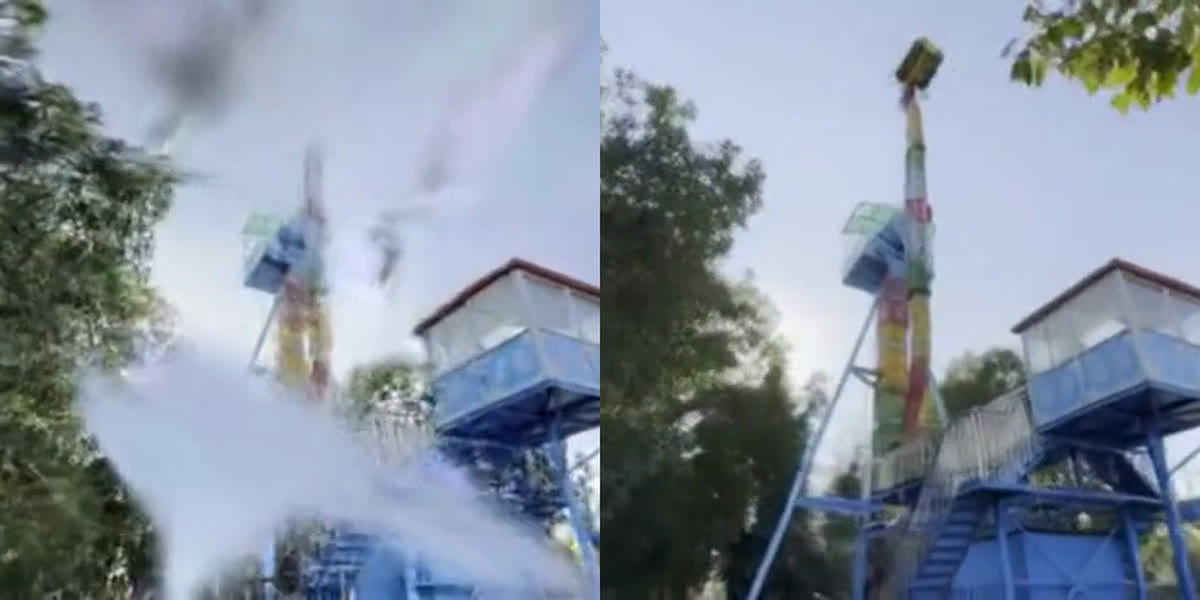
- Cosmos-Dreams is a collection of closed-loop simulators that generate entire worlds from single frames — running on a single RTX PRO 6000 GPU.
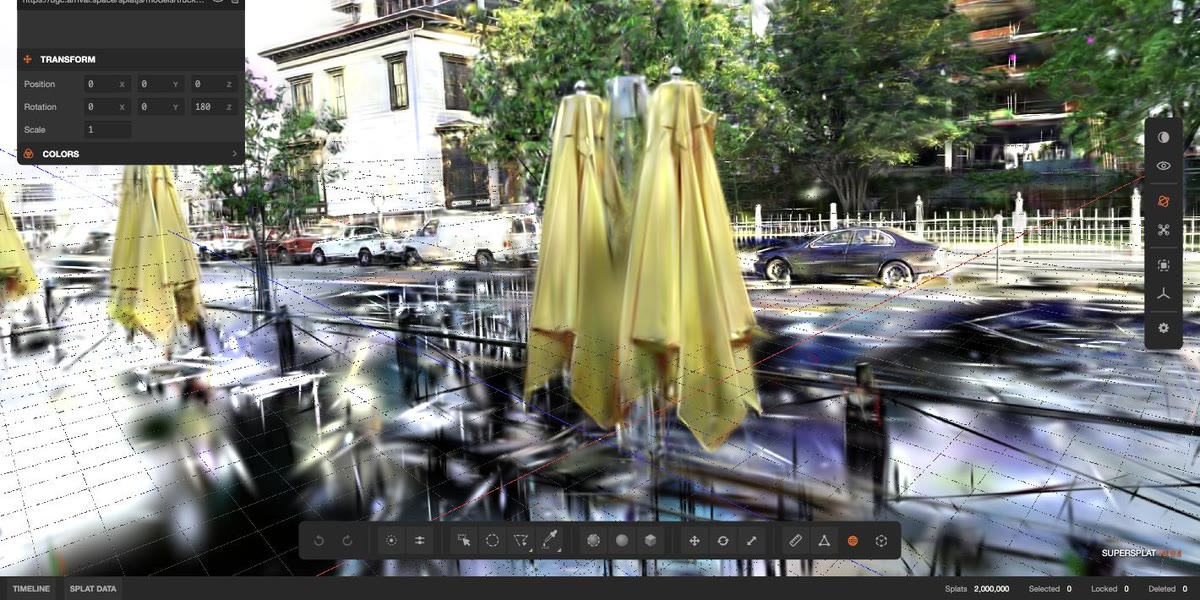
- ArtiFixer, pitched as a complement to gaussian splats, converts messy real-world 3D captures into clean virtual scenes, fixing noise and missing data, and includes a method for predicting photoreal global illumination directly from scene geometry without ray tracing.
- Also shown: VideoNeuMat for extracting relightable materials from generative video models, MotionBricks (a real-time motion model trained on 350,000+ motion clips), and DLSS 5's modular three-model neural rendering architecture.
Why it matters: Capture cleanup is the least glamorous, most requested feature in splatting pipelines. When NVIDIA aims research at exactly that pain point — while framing graphics' future around neural rendering and world models — it validates the whole 3D capture stack.
What's next: NVIDIA announced Model Context Protocol integrations spanning Adobe, Blender, SideFX Houdini 22, and Unreal Engine — wiring AI agents directly into the industry's 3D content tools.