SplatsThe evolution of media, in brief
RSS

XGRIDS takes a swing at splat format chaos
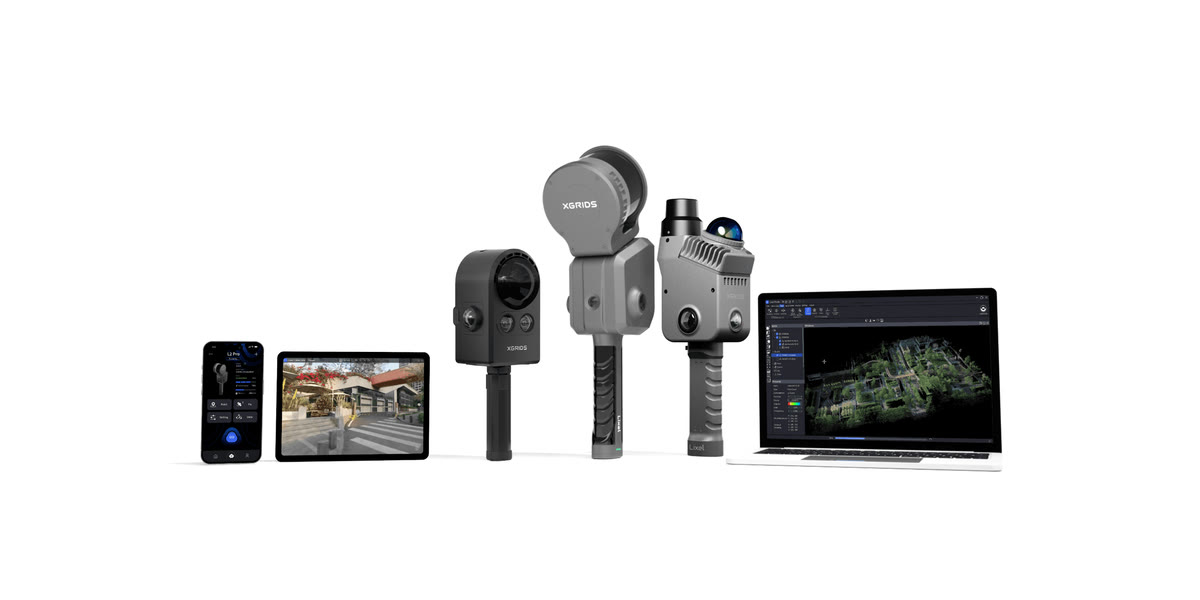
The XGrids line-up — phone and tablet running the capture app, three handheld Lixel scanners, and a laptop showing a captured site open in LCC Studio

Photo: XGrids · Tools

Theo Lindqvist

Theo Lindqvist

Aug 12, 2026-Tools

XGRIDS shipped LCC Studio V2.3.0 with a new Converter for moving 3DGS data between formats — including exports to the geospatial 3D Tiles standard and USD.

Why it matters: Format fragmentation is one of the biggest practical frictions in the splat ecosystem. Converters that bridge 3DGS to standards like 3D Tiles and USD push splats toward interoperable, GIS- and pipeline-ready data.

Zoom in:

  • The 3D Tiles export includes a v2 SPZ option compatible with Cesium 1.35+.
  • The updated Scene Editor auto-generates a mini-map from 3D layout data and can automatically generate viewpoints and camera routes.
  • Model Editor V1.2.0 adds a Mip Filter for reducing visual artifacts, an Align tool, and perspective/orthographic projection options.
  • The Windows suite ships as a 6.0 GB ISO from the XGRIDS website.
Go deeper:

  • Radiance Fields: XGRIDS adds a gaussian splat format converter to LCC Studio V2.3.0
⟵ Back to the brief

More stories

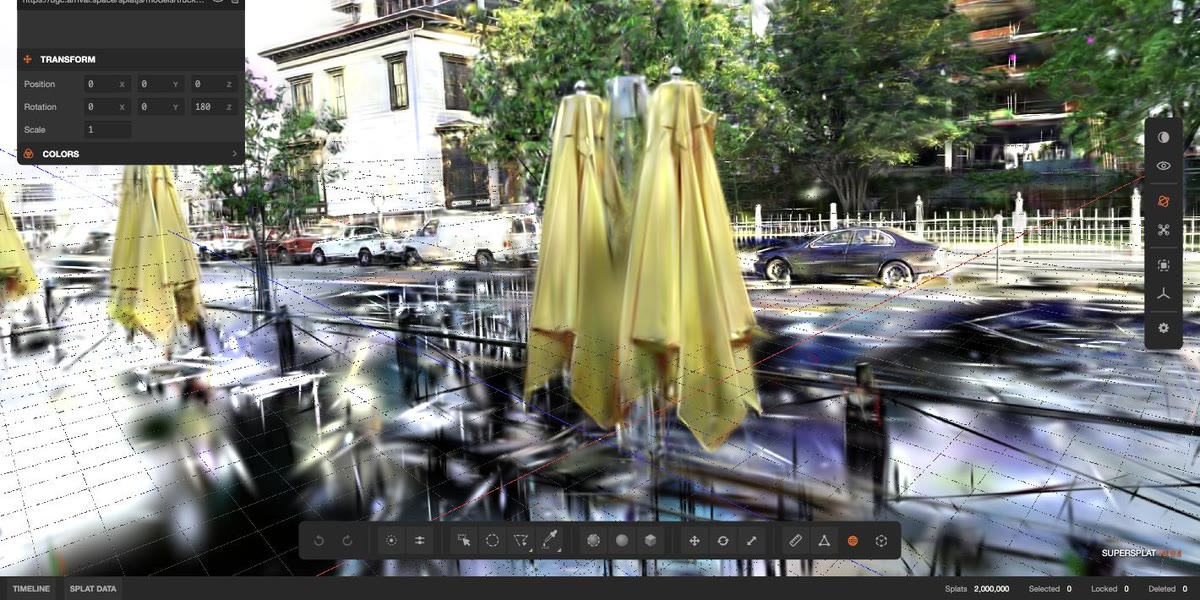
The SuperSplat 3.3.0 editor with a Gaussian splat capture of a street cafe loaded — furled yellow umbrellas over metal tables, parked cars and a tree-lined street behind. The scene manager and transform panels sit at the left, the tool strip along the bottom, and the status bar reads two million splats

SuperSplat rewrote itself on WebGPU and deleted the fallback

Today

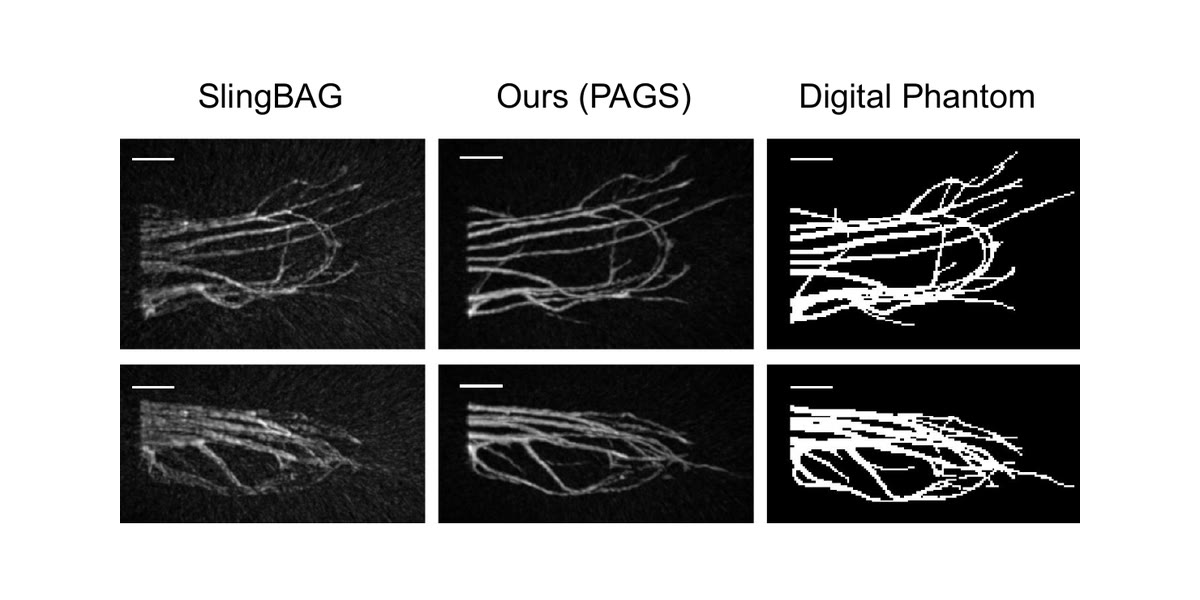
Two rows of photoacoustic reconstructions of a branching vascular phantom, shown for SlingBAG, for PAGS, and as the ground-truth digital phantom. The SlingBAG panels carry a mottled noise floor around the vessels; the PAGS panels are cleaner, with the vessel network closer to the crisp white tracery of the phantom

Splatting, but the light is sound and the camera is a transducer

Sep 1, 2026

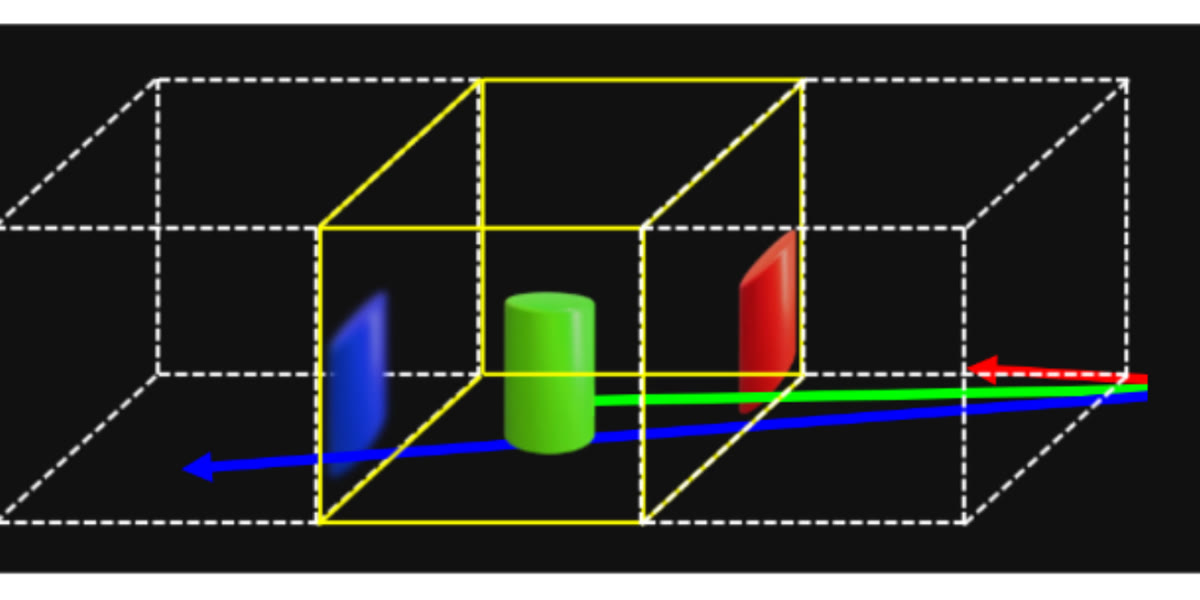
A schematic of a scene divided into a wireframe grid of cells against black. One cell is outlined in yellow and holds a sharp green cylinder; a blurred blue slab sits behind it and a red slab in front, standing in for the frozen regions flattened into single background and foreground images

Their trick makes VRAM independent of scene size. The test scenes were too small to show it.

Aug 31, 2026

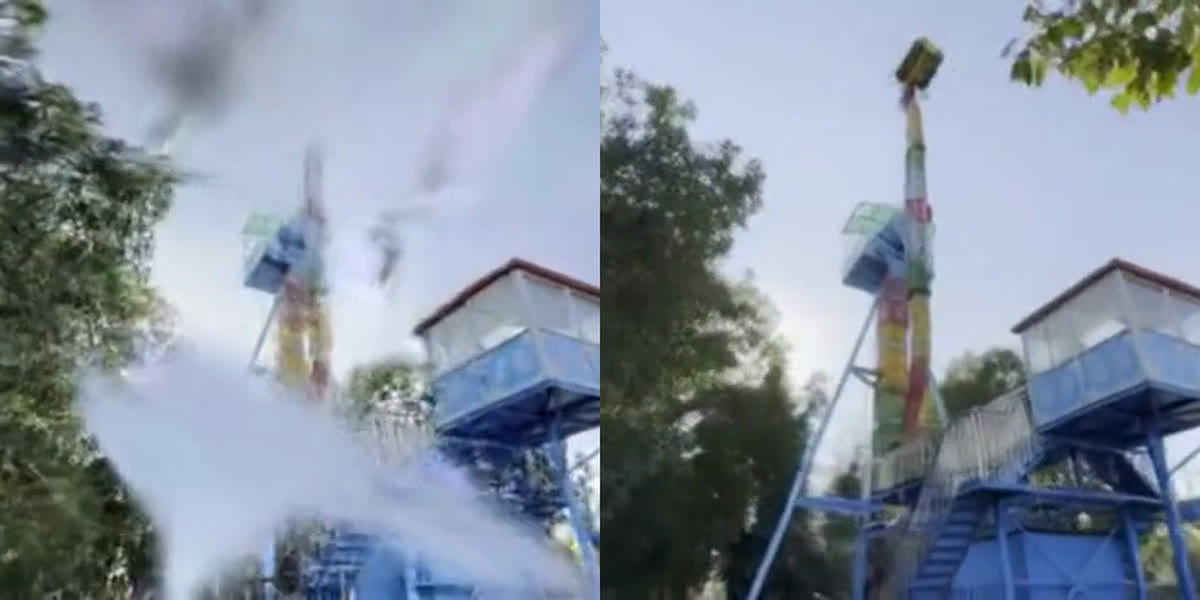
A fairground drop-tower ride rendered twice: on the left from a degraded reconstruction, where the tower and foliage dissolve into white streaks and smears, and on the right after refinement, sharp and photographic against a clear sky

Give it scattered keypoints and it matches a full splat reconstruction

Aug 29, 2026

splats

Short daily briefs on the evolution of media — gaussian splats, volumetric video, dome theaters, headsets, and the research underneath.

Newsroom

  • Latest
  • All stories
  • RSS feed
© 2026 Splats · Terms · Privacy