SplatsThe evolution of media, in brief
RSS

Esri puts georeferenced splats into Unreal Engine

A gaussian splat cloud anchored by a map pin to a gridded map plane

Illustration: Splats Newsroom · Industry

Tessa Marchetti

Tessa Marchetti

Aug 13, 2026, 9:30 AM ET-Industry

Esri has released ArcGIS Maps SDK for Unreal Engine 2.4.0 with a new gaussian splat layer type, letting developers stream georeferenced splat datasets from ArcGIS Online or ArcGIS Enterprise directly into Unreal scenes.

Why it matters: This completes Esri's splat rollout across its stack: ArcGIS Pro 3.6 introduced the layer, the JavaScript SDK 5.0 took it to the browser, ArcGIS Enterprise 12.1 brought it on-premises — and now it lands in the engine that runs simulations, digital twins and serious games.

The payoff is reality capture and GIS data in one scene: a utility inspecting a substation from drone capture can drop the splat reconstruction next to the parcel boundaries and network features it already streams from ArcGIS.

Zoom in:

  • Splat layers reference a web layer on ArcGIS Online or Enterprise by item URL or REST endpoint, or read local 3D Tiles data (tileset.json or packaged .3tz) for offline work.
  • Content comes from ArcGIS Reality Studio, ArcGIS Reality for ArcGIS Pro and Drone2Map.
  • The C++ API gains an ArcGISGaussianSplatLayer class, plus two Blueprint nodes for spawning splat layers without code.
  • Desktop platforms first; Esri says mobile support is planned.

The fine print: One known issue ships with the release: splat layer opacity can't be modified — layers always render opaque (BUG-000186433). The release notes state no splat-count ceiling and no GPU floor, and Unreal Engine 5.5 support has been dropped.
Go deeper:

  • Radiance Fields' report on the 2.4.0 release
  • ArcGIS Maps SDK for Unreal Engine
⟵ Back to the brief

More stories

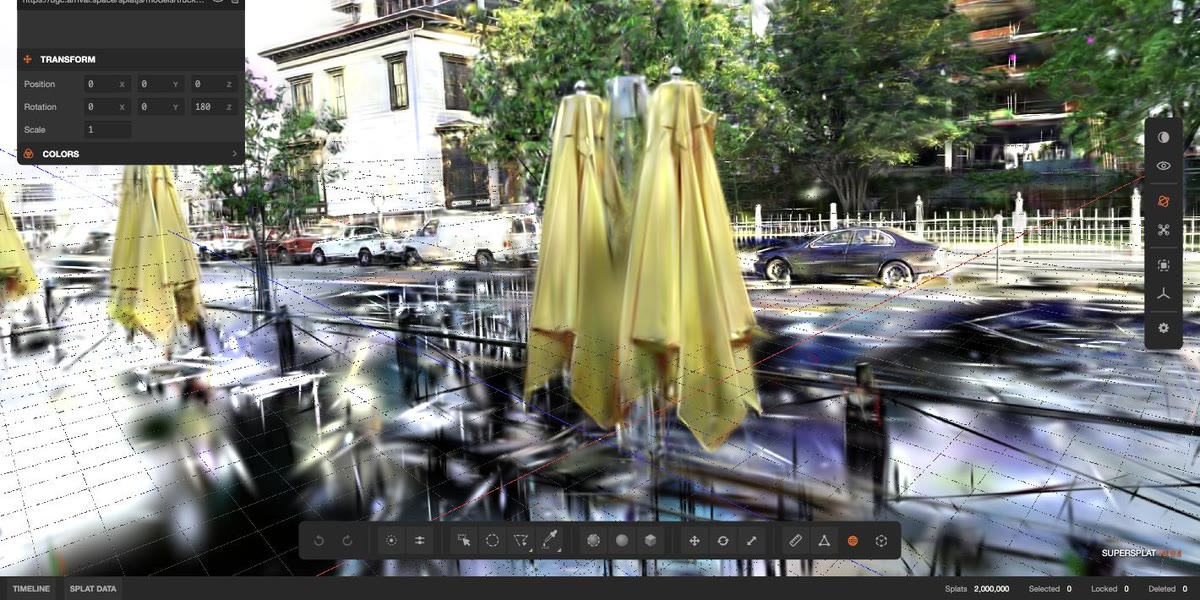
The SuperSplat 3.3.0 editor with a Gaussian splat capture of a street cafe loaded — furled yellow umbrellas over metal tables, parked cars and a tree-lined street behind. The scene manager and transform panels sit at the left, the tool strip along the bottom, and the status bar reads two million splats

SuperSplat rewrote itself on WebGPU and deleted the fallback

Today

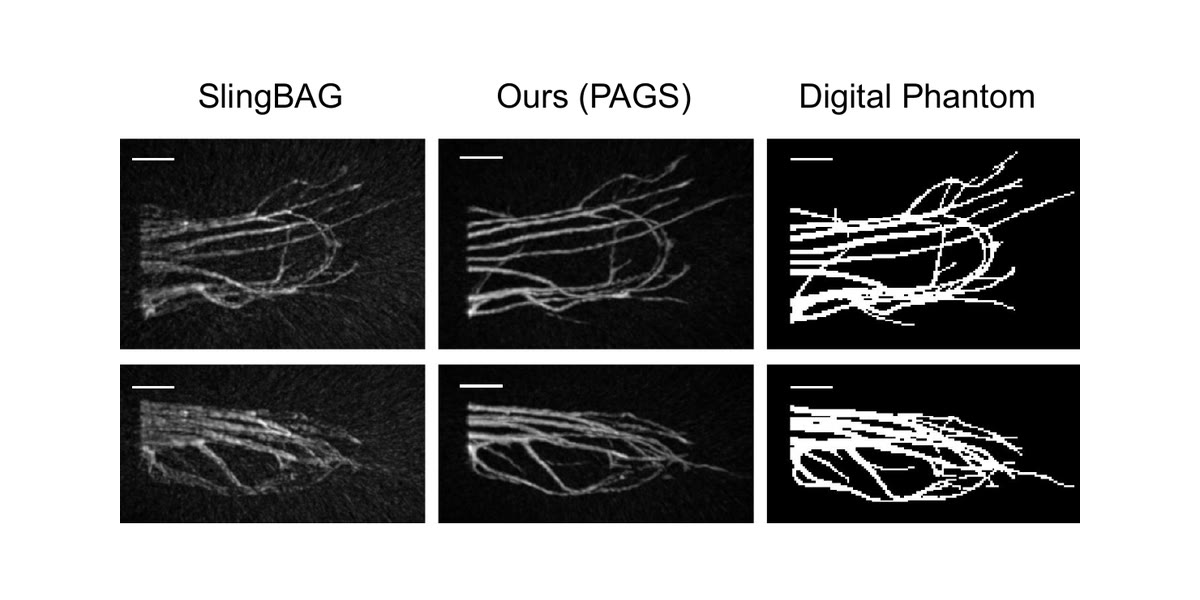
Two rows of photoacoustic reconstructions of a branching vascular phantom, shown for SlingBAG, for PAGS, and as the ground-truth digital phantom. The SlingBAG panels carry a mottled noise floor around the vessels; the PAGS panels are cleaner, with the vessel network closer to the crisp white tracery of the phantom

Splatting, but the light is sound and the camera is a transducer

Sep 1, 2026

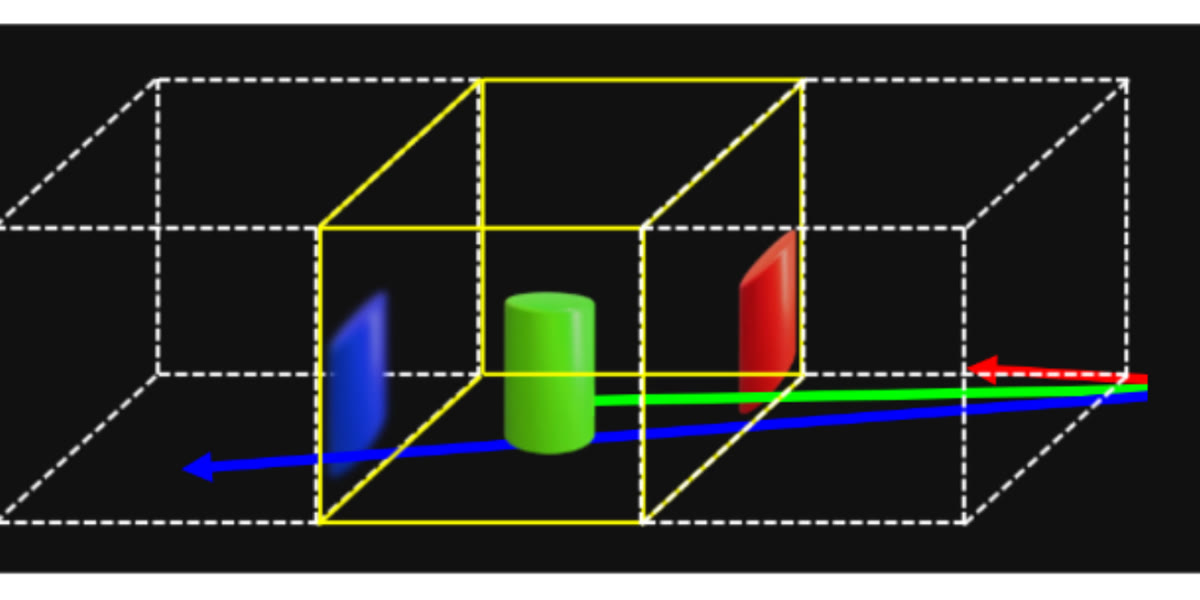
A schematic of a scene divided into a wireframe grid of cells against black. One cell is outlined in yellow and holds a sharp green cylinder; a blurred blue slab sits behind it and a red slab in front, standing in for the frozen regions flattened into single background and foreground images

Their trick makes VRAM independent of scene size. The test scenes were too small to show it.

Aug 31, 2026

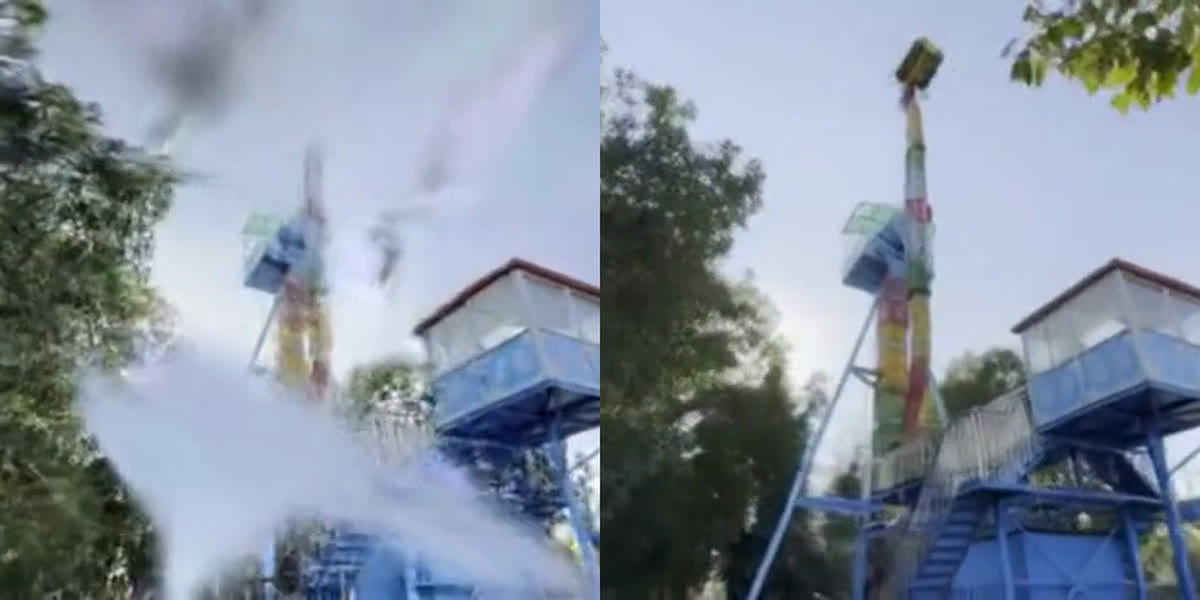
A fairground drop-tower ride rendered twice: on the left from a degraded reconstruction, where the tower and foliage dissolve into white streaks and smears, and on the right after refinement, sharp and photographic against a clear sky

Give it scattered keypoints and it matches a full splat reconstruction

Aug 29, 2026

splats

Short daily briefs on the evolution of media — gaussian splats, volumetric video, dome theaters, headsets, and the research underneath.

Newsroom

  • Latest
  • All stories
  • RSS feed
© 2026 Splats · Terms · Privacy