Nuke shipped the version where splats move
Illustration: Splats Newsroom · Tools

Aug 21, 2026, 5:15 AM ETTools
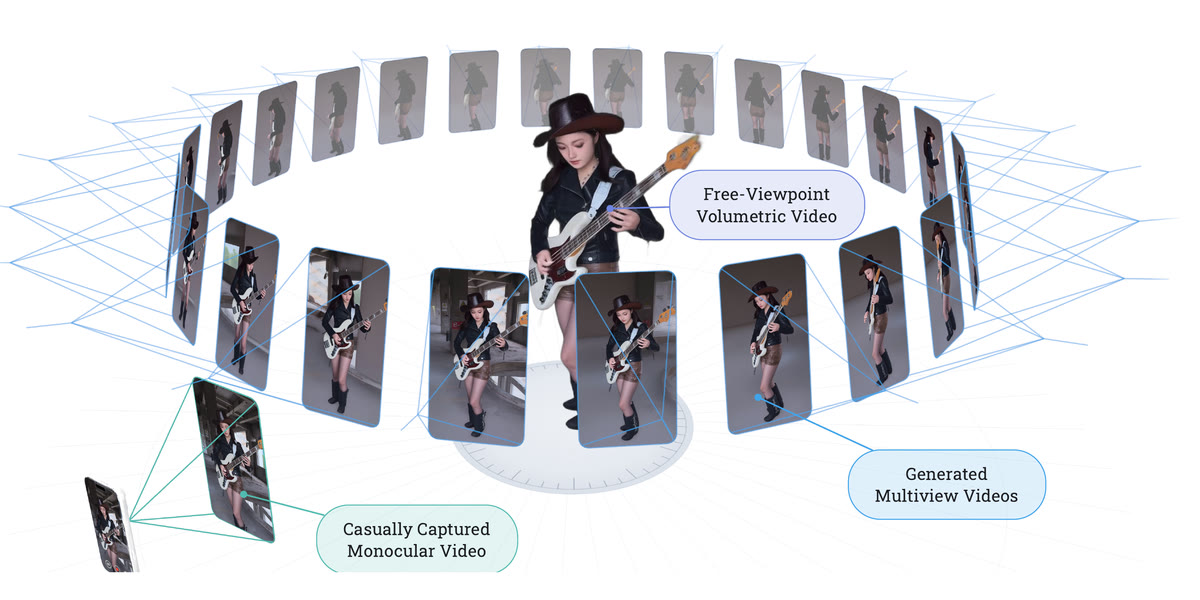
Foundry released Nuke 17.1 on Thursday, and the gaussian-splat toolset it introduced in 17.0 now handles time: GeoSequencer ingests a sequence of .ply, .splat, .usd or .usdc files and writes it back out as a single time-sampled .usdc, and SplatRender will light a splat scene using the Direct, Point and Spot lights already sitting in Nuke's 3D system.
Why it matters: Nuke 17.0 gave splats a node graph, a renderer and a place in the comp. What it did not give them was a clock. A splat that cannot be animated is a very expensive matte painting, which is fine for a locked-off plate and useless for most of the shots anyone is actually paid to finish.
Compositing is the last stop before a frame is delivered, so it is the stage that decides whether a capture format is production infrastructure or a research demo. Splats have had capture apps and web viewers for two years. A supported path through the finishing stage is newer than either.
What shipped:
- GeoSequencer reads .usd, .usdc, .ply and .splat sequences and outputs time-sampled .usdc via USD Value Clips, detecting animated attributes and passing per-frame normals and position downstream — faster than reading PLYs directly.
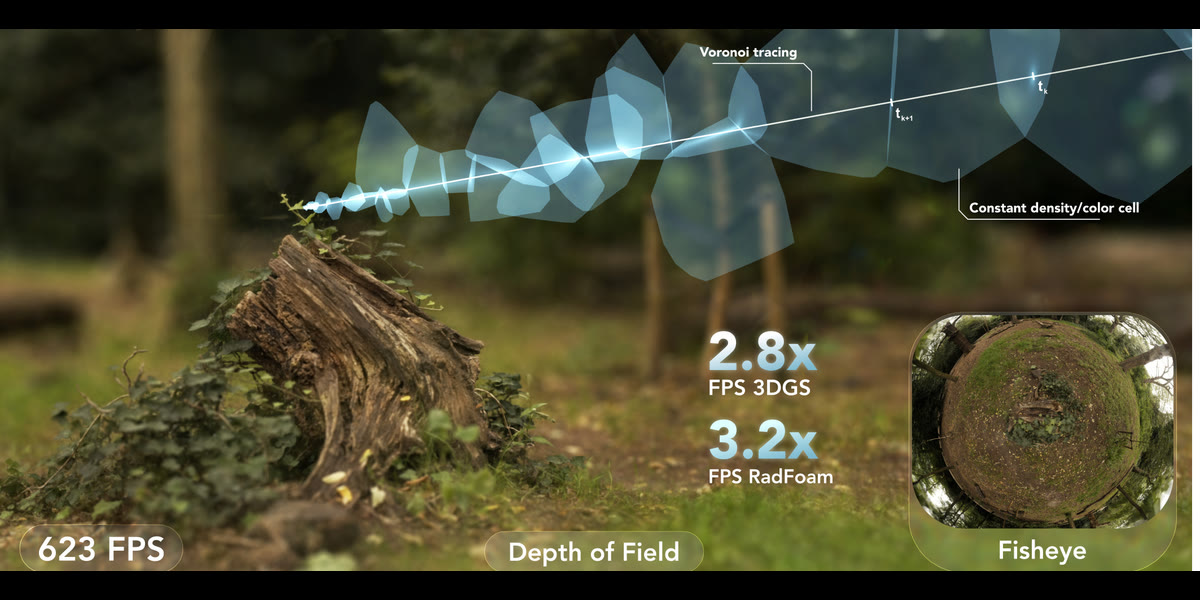
- SplatRender gains Enable Relighting, a Lights selector defaulting to every Direct, Point and Spot light in the scene, an Ambient Color for whatever the lights never reach, and a Lighting Blur Radius that softens the lit result in screen space while holding object edges.
- GeoExport now writes .splat alongside PLY, USD and ABC, with a flattened workflow that writes frames individually and stitches them into one file.
- GeoDeletePoints takes fractional density masks through FieldConstant in scalar mode, so splats can be thinned rather than cut.
- The 3D viewer moves to Hydra 2.0, adding Display AOV selection for previewing depth and position channels under HdStorm.
Yes, but: The relighting is 2D. Foundry's own note calls it basic relighting for better integration into comps, and that is the right expectation to hold — the lights are being resolved in screen space, not through the volume, which is why there is a blur radius to hide the seams in the first place.
Performance still has a sharp edge: SplatRender slows down when many splats sit outside the camera frustum, and the recommended fix is to cull them by hand with GeoDeletePoints and FieldShape. Four issues ship open, including GeoPointsToMesh not supporting splats or normals, SplatRender not covering every camera projection mode, GeoViewScene attachment crashing, and TimeOffset nodes refusing edits in the DopeSheet while connected to a GeoSequencer.
The big picture: Nothing in 17.1 changed between the July open beta and this build, which tells you the release was about confidence rather than features. Foundry spent six weeks proving the toolset held, then shipped it as-is.
One other detail worth marking on a calendar: 17.1 has separate Intel and Apple Silicon downloads, and it is the last version to support Intel Macs.