Three Blender splat add-ons landed in two days, each one routing around COLMAP
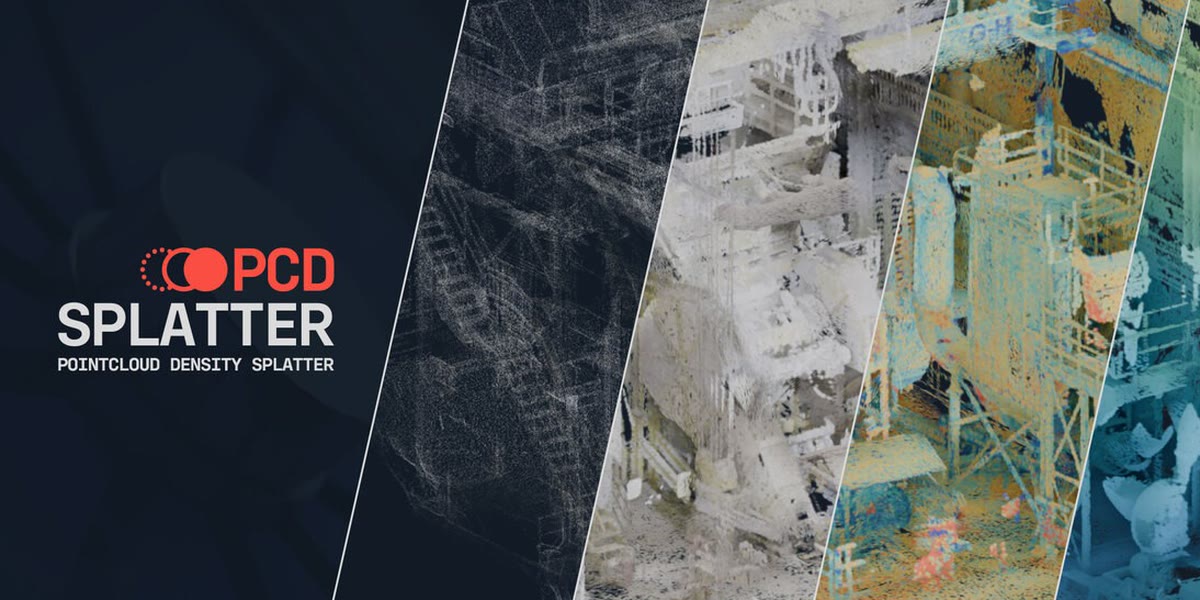
Image: Punto de Ancla Studio · Tools

Aug 25, 2026, 5:15 AM ETTools
Between Monday and Tuesday, three separate developers shipped Gaussian splatting add-ons for Blender. None of them competes with the others, and all three are aimed at the same part of the pipeline: the structure-from-motion solve that has sat at the front of every splat workflow since 2023.
Why it matters: The standard recipe for a splat is photographs in, COLMAP solve, trainer, splat out. The solve is the slowest stage, the most likely to fail outright, and the one that assumes your input is a set of photographs of a real place taken by a camera whose position nobody wrote down.
Each of these three tools attacks that assumption from a different side. One skips the solve because the poses are already known. One never needs it because the geometry was measured rather than inferred. One accepts that a solve covers a single connected capture and provides the seam.
What shipped:
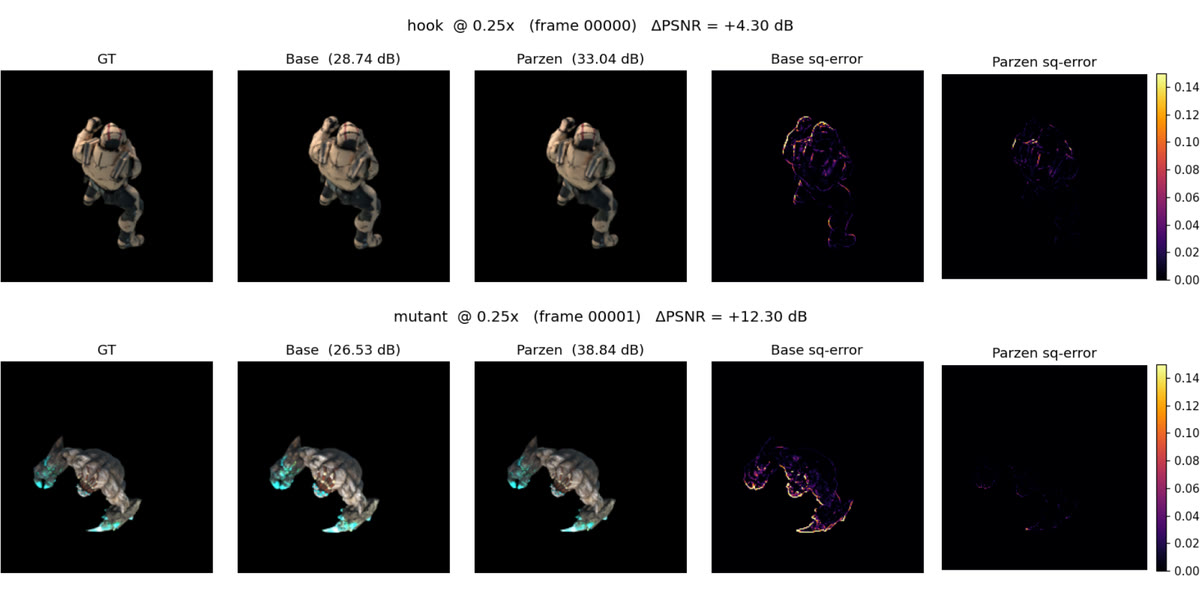
- Javier Herrera's Splatlight now generates splats from a Blender scene rather than only importing them. Blender already knows where it put every camera, so those poses go straight to the trainer with no solve at all. Two rigs place the cameras — a sphere around a selected object, or a cage-bounded distribution of six-camera standpoints through the free space of a scene. Quality tracks your render settings; the demo scenes took two to three hours on an RTX 4080. Blender 4.2–5.2, $35 for Pro, with a free tier covering import, relighting and .ply export.
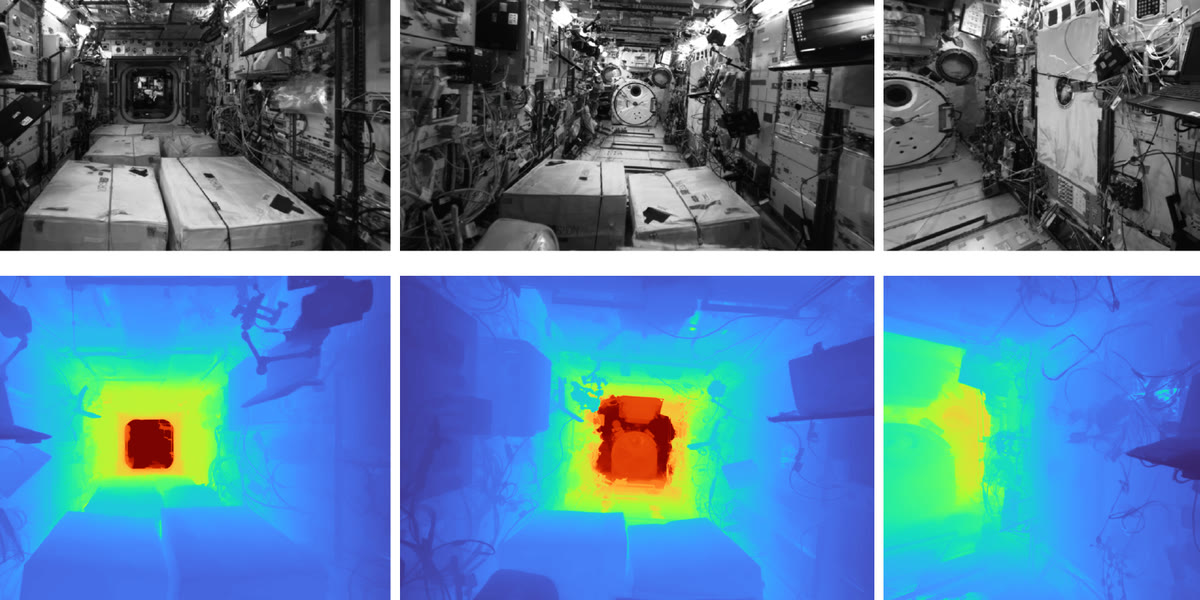
- Punto de Ancla Studio's PCD Splatter reads E57 laser scans — plus PLY, PTS, XYZ, ASC, TXT and CSV — and converts them to splats with no image training whatsoever, sizing each splat by multi-scale k-nearest-neighbour distance so it grows to seal sparse regions and shrinks to hold detail in dense ones. It implements the ASTM E2807 E57 standard in pure Python with no compiled dependencies. Renders through Eevee and Cycles with depth of field, motion blur and full render passes. $70 with GPL-3.0 source; roughly 380 MB of memory at three million points.
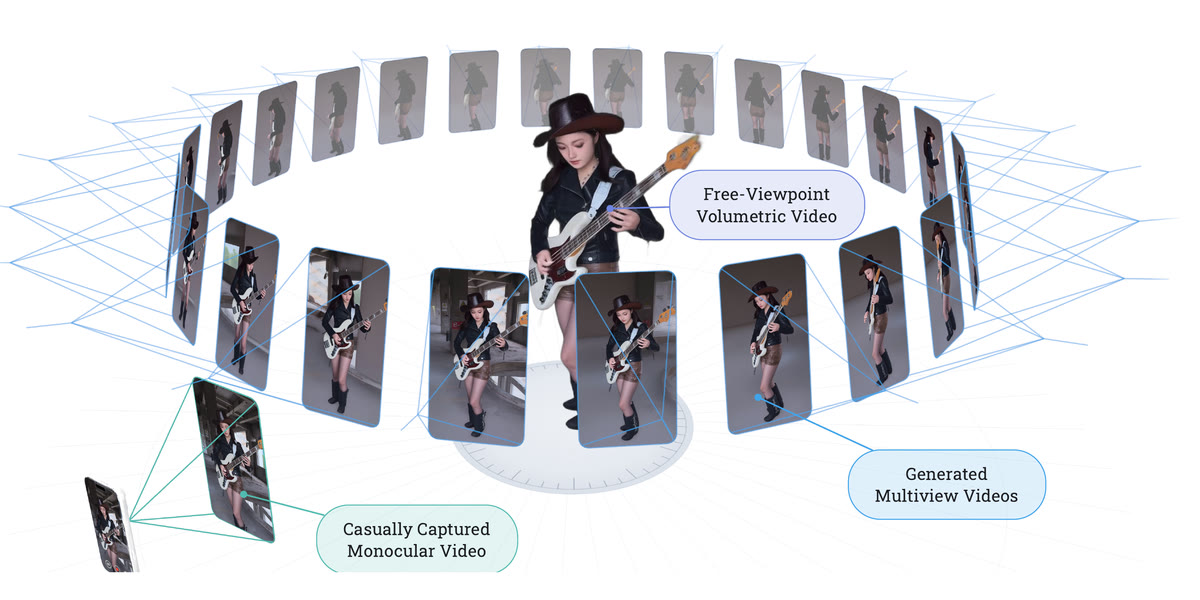
- Olli Huttunen's Point Cloud Merger addresses the case where one site produced several independent COLMAP reconstructions — ground level and elevated, say — each with its own scale, origin and orientation, when a trainer will accept exactly one. You pick a few matching points across two overlapping scans and a similarity fit solves rotation, uniform scale and translation. It exports a single COLMAP package with the Blender-to-3DGS axis conversion already applied, for Postshot or LichtFeld Studio. $30.33, royalty-free.
Yes, but: Splatlight's generator produces splats of scenes that were already 3D. That is genuinely useful for building training data, for relighting studies and for getting a splat of something that does not exist to be photographed, but it does not reconstruct anything — the geometry goes in at the front. Calling it splat generation is accurate and calling it capture would not be.
PCD Splatter inherits whatever the scanner recorded. A terrestrial laser scanner measures position precisely and colour incidentally, so the splats are geometrically excellent and only as good-looking as the scanner's imaging. It also cannot read Autodesk's RCS and RCP formats, because Autodesk has never published a specification — which is a meaningful hole given how much survey data lives in ReCap.
And the three tools are separate purchases from three developers on three storefronts, which is a fair description of the Blender add-on economy generally. Nothing here is a pipeline; it is three pieces that happen to fit.
The big picture: The E57 support is the one worth watching. E57 is the interchange format of the surveying and AEC world, and there are decades of building scans sitting in it that were captured for measurement rather than for looks. A tool that turns those into splats inside Blender, without a photogrammetry pass, connects an existing industry's archive to a rendering technique that industry has mostly read about.
Taken together, the week's releases make the same point from three directions: the solve was never the interesting part. It was the toll you paid because nobody had written down where the camera was.